
A property can look immaculate at an open home and still carry expensive defects behind fresh paint, under flooring or in a damp subfloor. For buyers, a building pest guide is not about finding reasons to walk away from every imperfect home. It is about understanding the condition of the asset, pricing risk correctly and making a decision before you are committed.
Whether you are buying a Queensland investment property, a Victorian family home or an interstate purchase, the right inspection can protect both your capital and your negotiating position. The key is knowing what an inspection can reveal, what it cannot, and how to act on the findings without letting a long report create unnecessary panic.
What a building and pest inspection actually covers
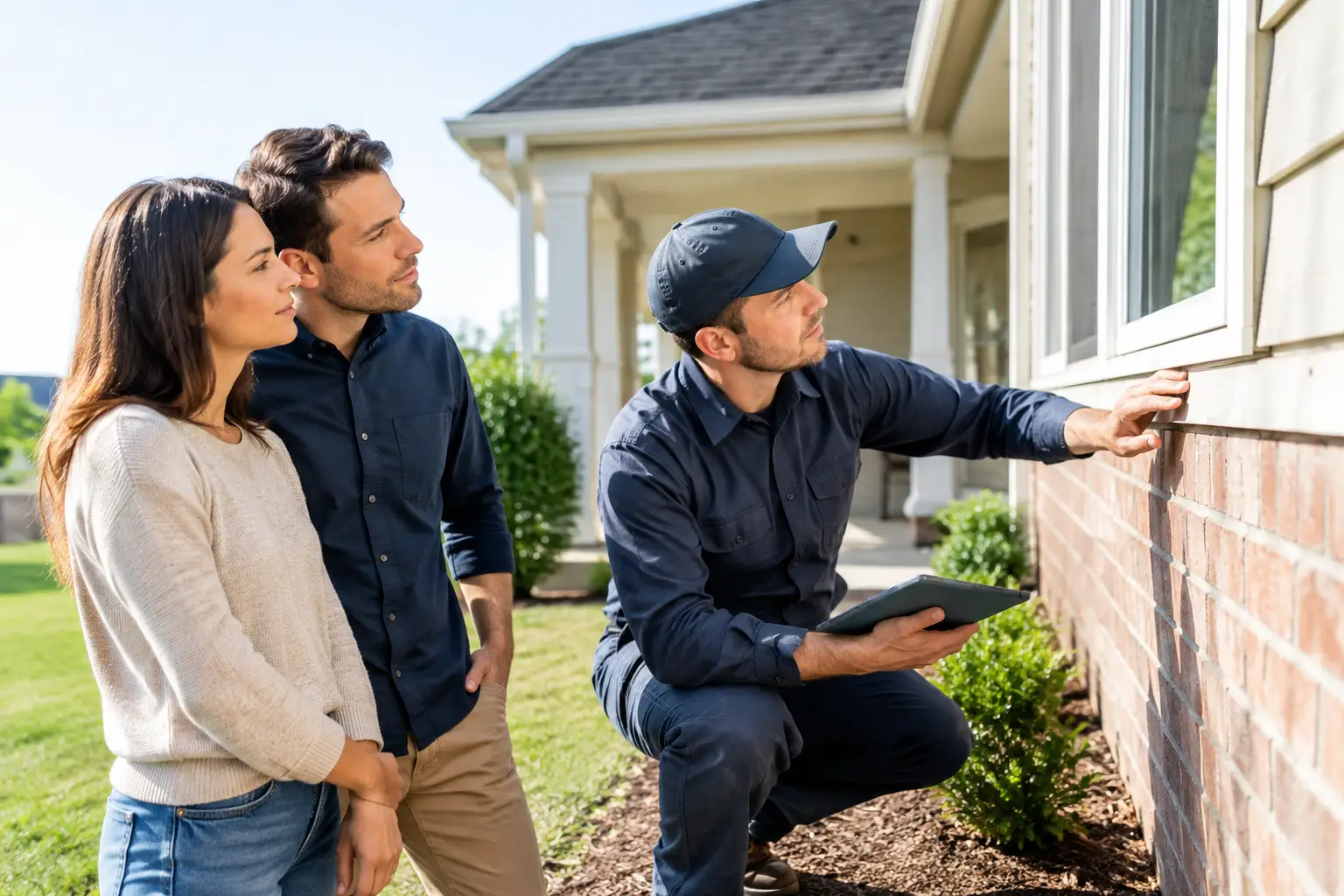
A combined building and pest inspection is generally a visual, non-invasive assessment of accessible areas of a property. The inspector looks for major defects, safety concerns, signs of movement, water damage, poor drainage, roof issues, timber deterioration and evidence of timber pests, including termites.
Accessible areas commonly include the interior, exterior, roof space, subfloor, garage, fences and outbuildings. The word accessible matters. If a roof cavity is too tight to enter, vegetation blocks an external wall, stored belongings cover flooring or a locked shed cannot be opened, the inspector may be unable to assess that area. A clear report should state these limitations.
It is also not a renovation quote, a guarantee that no defects exist, or a full structural engineering assessment. Most homes, particularly older stock, will have maintenance items. Your task is to separate normal wear from defects that could affect safety, insurance, rental appeal, future costs or the price you are prepared to pay.
Why building and pest due diligence matters to buyers
The purchase price is only one part of your acquisition cost. A home that requires immediate drainage work, roof repairs, restumping or termite treatment can materially change the numbers. For an investor, those costs may reduce available funds for upgrades, affect rental readiness and weaken the return from day one. For an owner-occupier, they can turn an exciting move into a disruptive and expensive first year.
This is particularly relevant in markets where competition creates pressure to act quickly. A buyer who understands a report can move with conviction. They are not guessing whether a defect is minor or overlooking a problem simply because the property is otherwise well presented.
There is a balance to strike. Walking away from a quality property over a few loose tiles, ageing silicone or an old hot water system may mean missing the right asset. Equally, dismissing repeated moisture readings or signs of termite activity because the property is in a desirable suburb can be a costly mistake. Good due diligence brings the property’s condition back into a disciplined buying strategy.
Your building pest guide before booking an inspection
Arrange the inspection as early as the contract process allows. In many transactions, buyers rely on a building and pest condition or cooling-off period, but contract rules and timing differ between states and circumstances. Your solicitor or conveyancer should confirm the protections available before you sign.
Choose an appropriately qualified, insured inspector who is independent of the selling agent. Ask whether the inspection follows the relevant Australian Standard, what areas will be assessed, whether photographs are included and when you will receive the report. Fast turnaround is useful in a competitive campaign, but clarity and thoroughness matter more than a rushed document.
If you are buying interstate, do not treat the inspection as a box-ticking exercise because you cannot attend in person. Request a phone discussion once the report is complete. An experienced inspector can explain the practical significance of findings, identify areas they could not access and tell you whether further specialist advice is warranted.
Before the appointment, make sure the inspector has access to the property, roof space, subfloor, garage and any outbuildings where possible. If the property has a pool, retaining walls, significant trees, solar panels or a large acreage component, ask what is included and what may require a separate assessment.
How to read the report without overreacting
Most reports classify findings by severity. Language varies, but defects are often described as major, minor, safety-related or requiring further investigation. Start with the major defects and items needing urgent attention. Then look for patterns rather than focusing on one isolated sentence.
For example, a single hairline crack may be a cosmetic issue. Cracking combined with sticking doors, uneven floors, moisture damage and drainage concerns deserves closer attention. Similarly, one isolated patch of deteriorated timber may be manageable, while multiple signs of moisture around bathrooms, windows and external walls suggest a broader maintenance issue.
Pay close attention to the report’s exclusions and inaccessible areas. A clean result is less reassuring if a heavily stored subfloor, roof cavity or rear shed could not be inspected. This does not automatically make the property a poor purchase. It means the remaining uncertainty should be considered before you proceed.
Photographs are valuable, but they should support the inspector’s written observations rather than replace them. If technical wording is unclear, ask direct questions: Is this an immediate issue? What is the likely cause? What specialist should assess it? Is there evidence of ongoing damage? These answers help turn a dense report into a practical action plan.
Termites: evidence, risk and treatment history
Termites are a major concern in many Australian locations, especially warmer and more humid parts of Queensland. Evidence of termite damage does not always mean there is an active infestation, but it should never be ignored. The relevant questions are whether activity is current, how extensive the damage is, whether treatment has occurred, and whether a suitable management system is in place.
A property with historic termite damage is not automatically unbuyable. The decision depends on the extent of repairs, the quality of treatment, ongoing monitoring requirements and the price. However, active termites, concealed damage or limited inspection access can justify further investigation before a buyer removes their protection under the contract.
Moisture, drainage and ventilation
Water is often the underlying cause of costly building problems. Look for references to poor site drainage, leaking gutters, overflowing downpipes, inadequate ventilation, damp subfloors, mould or elevated moisture readings. These issues can contribute to timber decay, pest attraction and long-term deterioration.
Some fixes are straightforward, such as clearing drainage, extending downpipes or improving ventilation. Others may involve waterproofing, roof repairs, plumbing investigation or landscaping changes. The report may identify the symptom rather than the source, so a plumber, roofer or waterproofing specialist may be needed to confirm scope and cost.
When to bring in another specialist
A building inspector should identify defects and recommend further assessment where necessary. They are not always the right person to diagnose every issue or provide a repair specification. Bringing in the right specialist before proceeding can prevent an expensive assumption.
Further advice is commonly worthwhile when a report identifies significant structural movement, suspected asbestos, electrical safety concerns, major roof defects, active termite activity, substantial retaining walls or pool compliance issues. A structural engineer, electrician, plumber, pest technician, roofer or pool inspector can provide a more targeted assessment.
This extra diligence has a cost, but it can be money well spent where a defect could change the property’s value or your willingness to buy. The decision should be proportionate. A well-located property with a manageable repair list may still be an excellent acquisition. A property requiring uncertain, high-value remedial works needs a much larger margin of safety.
Using findings in a negotiation
A building and pest report is most useful when it informs a clear decision. You may proceed as planned, negotiate a price adjustment, request that specific work be completed, seek an extension for specialist advice or withdraw under an applicable contract condition.
Price adjustments are often more practical than asking a vendor to organise repairs. Vendor repairs can create uncertainty around quality, scope and timing. If you negotiate, use credible evidence: the inspector’s findings, specialist quotes where appropriate, and a clear explanation of the immediate cost or risk.
Do not expect a seller to discount every minor maintenance item. Older homes come with age-related wear, and sellers will often argue that this is reflected in the price. Your strongest negotiating position comes from material, documented issues that a reasonable buyer would need to factor into the purchase.
For investors, consider whether repairs can be staged without compromising tenant safety, insurance or rental income. For home buyers, consider disruption alongside cost. A cheaper property that needs six months of major work may not suit a family needing to move quickly.
Make condition part of the wider buying decision
The best property decisions combine building condition with location, land value, comparable sales, rental demand, planning considerations and your long-term strategy. A flawless building in a weak location is not necessarily a high-growth purchase. Conversely, a sound property with a sensible maintenance plan in a tightly held suburb may offer stronger long-term value.
That is why Property Visionaries approaches due diligence as part of the acquisition strategy, not an afterthought once emotion has taken over. The objective is to know what you are buying, understand the cost of any risk and negotiate from a position of evidence.
A report does not need to deliver a perfect property. It needs to give you enough clarity to buy with confidence, walk away when the risk is wrong, or secure the right home at a price that reflects its true condition.